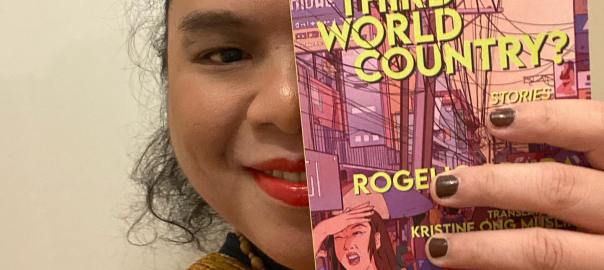
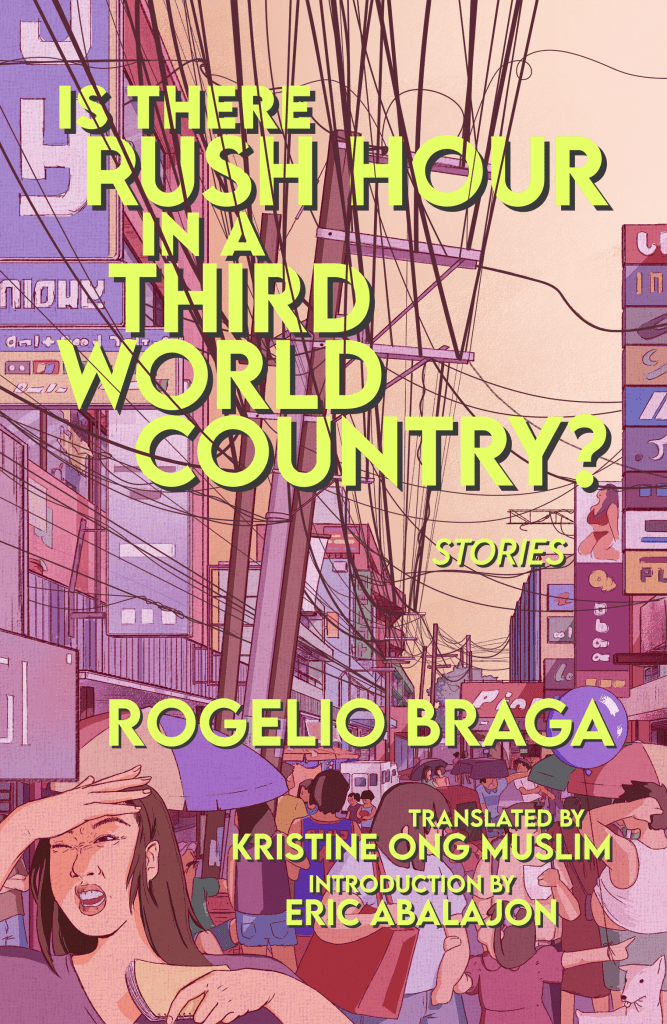
Our book Is There Rush Hour in a Third World (translated by Kristine Ong Muslim with an introduction by Eric Abalajon) is now available in various UK and European bookshops. I am always grateful to my publisher, 87Press, for bringing this small book to English-language readers. This translation is so special to me, as it is my first book translated into the English language outside the Philippines.
Call centre agents and migrant workers, soldiers and charity workers, fresh university graduates and street children — they all navigate the myriad of avenues in which their desires are entangled within the Philippines’ harsh and unforgiving conditions of migration and labour in Rogelio Braga’s collection of stories, Is There Rush Hour in A Third World Country? Now translated by Kristine Ong Muslim into English, the collection offers a glimpse of the lives of ordinary Filipinos, told amidst coup d’états, active conflict areas, late-night convenience store rendezvous, and bumper-to-bumper Manila traffic, given a considered dignity and nuance by one of the Philippines’ celebrated playwrights.
Is There Rush Hour in a Third World Country? was launched last December 2022 at the OTO Cafe near Dalston Junction in East London. You can watch me introduce the book and read an excerpt from the story Mga (translated by Kristine Ong Muslim as ‘Plural’) below:
I have a lot to say about this book of stories and the context of the time it was written and published in the Philippines. But for now, I’d like readers outside my country to enjoy this book, the world I recreated in these stories, and Manila through the eyes of someone who lived in that city all their life.
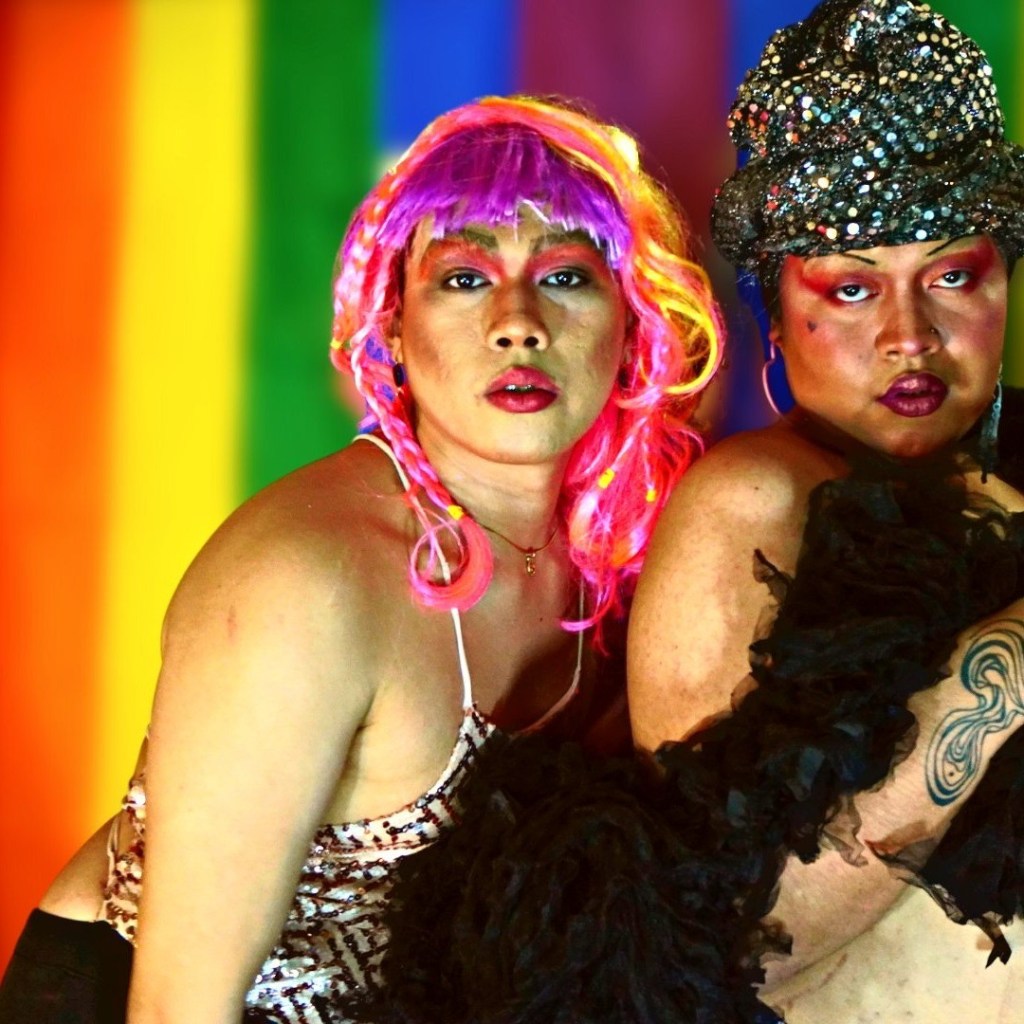
Trans actors Aldrin Bula and Istifen Baklang Kanal of Baklang Kanal. UP Repertory Company’s Gio Potes directed the piece for Pantheons: Sculpture at St Paul’s Cathedral, c.1796-1916
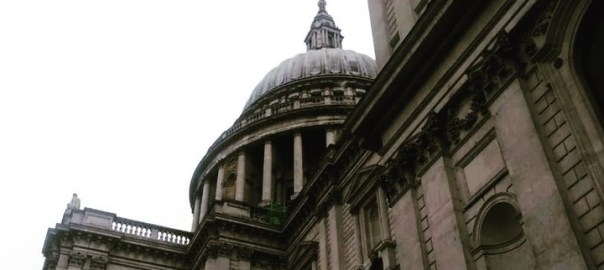
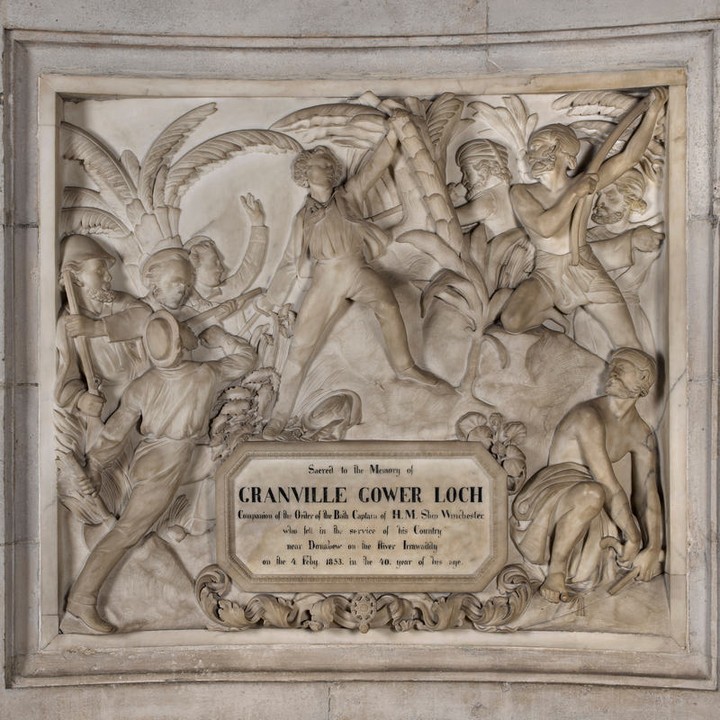
St. Paul Cathedral in London and the Department of Art History at York University commissioned me to write a piece as an ‘artist response’ to the monument of Granville Gower Loch for Pantheons: Sculpture at St Paul’s Cathedral, c.1796-1916. I was expected to write about 700 to 1000-word piece but I’ve decided to make it extra and wrote a dramatic monologue playing around with the popular social media form of beauty vlogging. Why Handsome Single Guys Die in Burma is my first attempt on stage to engage the British colonial history and empire.
When I submitted the script fabulous folks from York University decided to why not perform it with actors! And so I tagged along theatremaker friends from Manila to develop and perform the script.
You can read the script, watch the video, and read about the Loch and the project here.
This is the monument of the Scottish colonial soldier Granville Gowe Loch inside St. Paul’s Cathedral in London. Loch died in battle in Burma at the turn of the 20th century. St. Paul’s Cathedral and the Department of History of Art, York University invited 50 artists, writers, and academics across to ‘respond’ to monuments inside the Cathedral.
Okay, here’s more! Weeks after the release of Why Handsome Single Guys Die in Burma, influencer and popular vlogger Martin Rules reinterpreted the piece for her popular YouTube Channel Philippine True Crime Stories.
With translation to the English language by novelist Gina Apostol
Kinaladkad nilang lahat ang pamilya Marcos palabas ng Palasyo sa Maynila. Kitang-kita ko lahat ng ginawa nila at buong-buo pa rin sa akin kahit tatlong dekada na ang nagdaan. Hinawakan sa buhok ang mga babaeng Marcos habang ginuguyod palabas ng pintuan. Ang matandang Marcos, nang masilayan nila na nagtatago sa likod ng dambuhalang pintuan na gawa sa nara, pinaulanan kaagad ng ilang suntok, sipa hanggang sa sumirit ang dugo sa gilid ng kanyang mga mata. Siguro ganito ang karahasan: wala nang salita. Dahil habang binubugbog nila ang matandang Marcos, walang nagsasalita sa kanila, ni nagmumura. Tahimik ang kanilang mga bibig habang nandadahas ang kanilang mga kamay. Labaha. Labaha ang ginamit nila para gilitan ang bawat kasapi ng angkan pati ang mga bata. Ang lupit, ang dahas. Nagkalat ang dugo sa mga marmol na sahig ng Palasyo dahil hindi na nila natiis ang galit na habang ginuguyod ang mga kasapi ng angkan ay pinagpapaslang na nila ito na parang mga manok. Makalipas ang isang oras, tumambad sa madla ang mga katawan ng buong pamilya Marcos, isinampay nila ang mga bangkay sa harap ng Palasyo, nakalambitin sa mga alulod. Sumisigaw ang lahat ng kalayaan habang nakatanaw sa mga bangkay. Nakita ako ni Berto at lumapit sa akin. Niyakap niya ako, mahigpit na mahigpit. Humahagulgol siya na parang bata at paulit-ulit niyang sinasabi na malaya na tayo, babalik na ako sa amin sa Tacloban. Lumapit ang Katolikong Kardinal sa mga bangkay pero hinarang siya isang lalaki. Kitang-kita ko ang lahat, ang lalaki at ang Kardinal. Itinaas ng lalaki ang kanang kamay niya sa mukha ng Katolikong Kardinal, napansin ko na nagliliwanag ang kanyang kamay. May hawak ang lalaki. Labaha. Lumapit ako sa dalawa. Pero hindi ganoon kalapit dahil nakakatakot ang lalaki, nangingnginig ang kanyang kamay sa galit, sa poot sa harap ng Kardinal. Nanlilisik ang mga mata niya sa galit at narinig ko ang kanyang mga salita, babala: “Putang ina mo, Kardinal, huwag kang magkakamali ng hakbang. Isinabit namin ang mga bangkay ng mga Marcos bilang babala sa lahat ng mga pamilya at apelyido na matagal nang nagpapatakbo ng aming mga buhay: na gagawin namin ito nang paulit-ulit, sa kahit na anong panahon bigyan lang kami ng pagkakataon. Matakot kayo sa aming mga galit.” At kitang-kita ko ang takot sa mga mata ng Kardinal habang nakatingin sa dulo ng duguang labaha. Nakakatakot ang rebolusyon na iyon, ang dilim, ang dahas, pinaslang nilang lahat ang angkan pati ang mga inosenteng bata. Sana ay hindi na iyon maulit at manatili na ang ganitong maayos na buhay ng mga mamamayan sa atin na may dignidad bilang mga tao. Nakakatakot.
They dragged the family Marcos out of the Palace in Manila. I saw everything they did and I see it all even now though three decades have passed. They held the Marcos women by the hair as they hauled their bodies through the door. When they saw the old Marcos hiding behind the giant door made of narra, they rained punches on him, kicked him until blood dripped through the slits of his eyes. Maybe this is violence: the lack of speech. Because no one spoke as they beat up the old Marcos, not a single curse. Their mouths were silent as their hands attacked. Razors. They used razors that slit each member of the clan including the children. So cruel, so fierce. Blood spread on the marble floors of the Palace because no longer able to bear their rage as they hauled them out they began to hack them as if they were chickens. After an hour all the bodies of the family Marcos were exposed for the crowd to see, they hung the corpses in front of the Palace, dangling from the drainpipes. The crowd screamed out freedom! as they looked at the corpses. Berto saw me and came up to me. He held me tight. He was sobbing like a child, he kept repeating we are free, we are free and I can go home now, to Tacloban. The Catholic Cardinal approached the bodies but a man stopped him. I saw it all, the man and the Cardinal. The man raised his right hand to the Cardinal’s face, I saw his hand was shining. The man held something. A razor. I approached them. But not too close because the man was scary, his hand was shaking from rage, his hate before the Cardinal. His eyes were glaring, and I heard his words, his warning: “Son of a whore, Cardinal, don’t make a wrong move. We hung the bodies of the family Marcos as a warning to all families and names that have run our lives: that we will do this again, just give us a chance, at any moment we’ll take it. You should fear our rage.” And I saw the Cardinal’s fear as he stared at the bloody razor’s edge. That revolution was so scary, so dark, so fierce, they slew them all including the innocent children. I hope it never happens again and that we remain citizens living in human dignity as we are now. So scary.